Soil Fumigation and Biodegradable Plastic Mulch Application
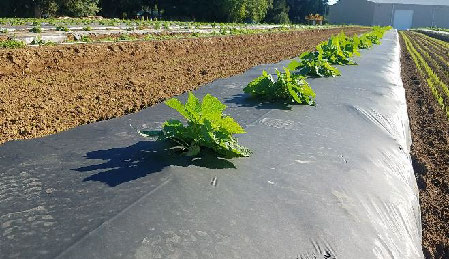
Biodegradable plastic mulches (BDMs; Fig. 1) are increasingly being adopted in commercial horticultural production systems for their ability to promote crop productivity through weed suppression and modification of soil moisture and temperature. Many of these production systems undergo pre-plant soil fumigation for disease, nematode, and weed control. Consequently, growers have inquired if BDMs can be incorporated into the soil fumigation process to serve the function of a tarp.
BDMs are not EPA approved tarps for soil fumigation and therefore do not qualify for buffer zone reduction credits. For soil fumigation, tarping requirements are label specific and must meet quantifiable performance standards. BDMs may only be legally applied after the restricted entry interval (REI) for the specific soil fumigant has expired. Alternatively, BDMs may be applied during fumigation; however, they do not count toward buffer zone reductions. In addition, there is concern that soil fumigants may compromise the integrity and performance of BDMs. Adhering to these guidelines ensures that applicators and pesticide handlers remain compliant with chloropicrin, metam sodium/potassium, and 1,3-dichloropropene label requirements, including restrictions on handling tasks specified on the product labels.
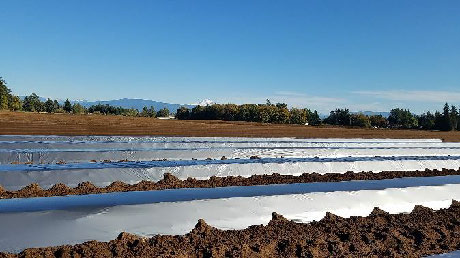
Tarps are agricultural films that are highly impermeable to soil fumigants. Tarps must be tested for permeability to qualify for buffer zone reduction credits by the EPA. Tarps can be applied as part of the soil fumigation process (Fig. 2). Tarps are approved by active ingredients and a list of approved tarps can be found at Tarps (United States Environmental Protection Agency).
Thank you to Tom Hoffmann and Tim Schultz of WSDA Pesticide Division and Mike Stanghellini with TriCal for provision of information.